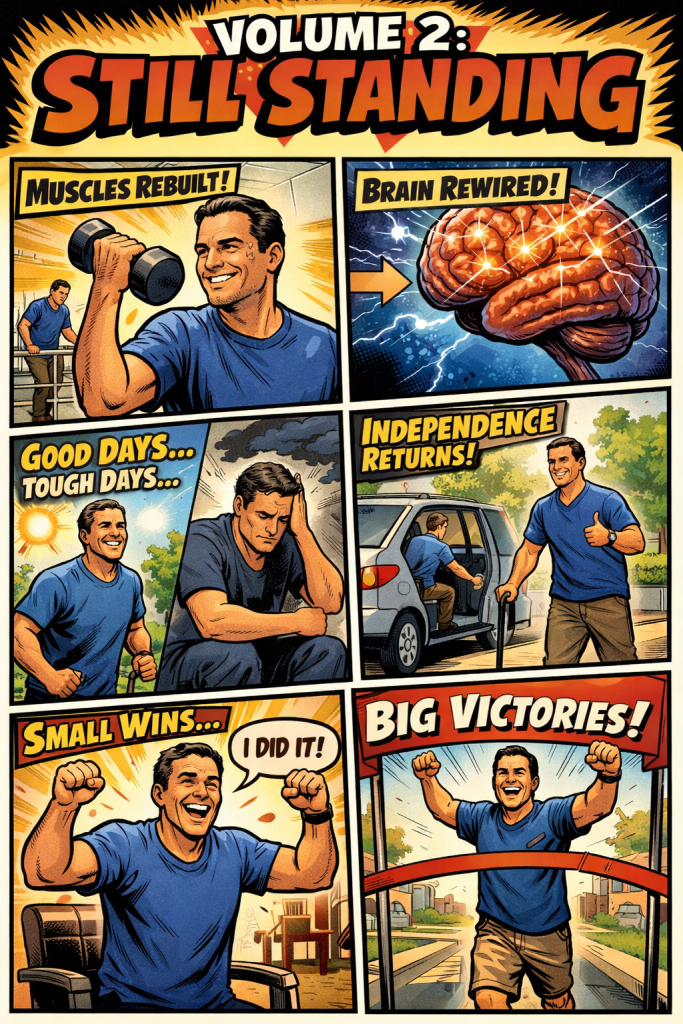
This morning started with a workout, and I’m calling that a victory. I finished feeling pretty good, even if my leg is still barking at me. It’s not completely on board with the plan yet, but I got the work done anyway.
I’ll take that as a win.
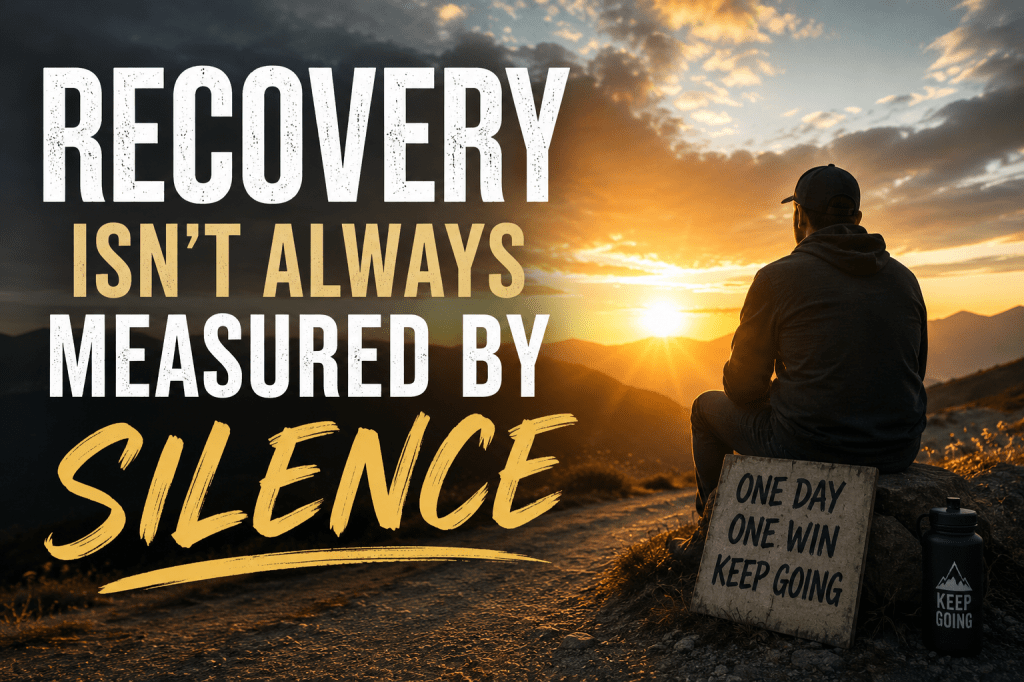
Recovery isn’t always measured by silence. Sometimes it’s measured by showing up, putting in the effort, and proving to yourself that the engine still starts, even if one of the tires keeps complaining. Today was one of those days.
Dakota signed a lease—and I got the grand tour of his new apartment at the Castle Rock Promenade.
Standing there and walking through the place made it official.
It’s real.
As a parent, there are moments that sneak up on you. One day you’re helping your kid figure out the next step, and the next you’re standing in their very own apartment, realizing they’re building a life of their own.
It’s exciting.
It’s a little surreal.
And yes…there’s a little bit of “Where did the years go?” mixed in there.
I’m proud of Dakota for taking this step. Signing a lease is more than getting an apartment. It’s a commitment, a responsibility, and another chapter of becoming independent.
Congratulations, Dakota!
Here’s to new beginnings, new memories, and a place to call your own.
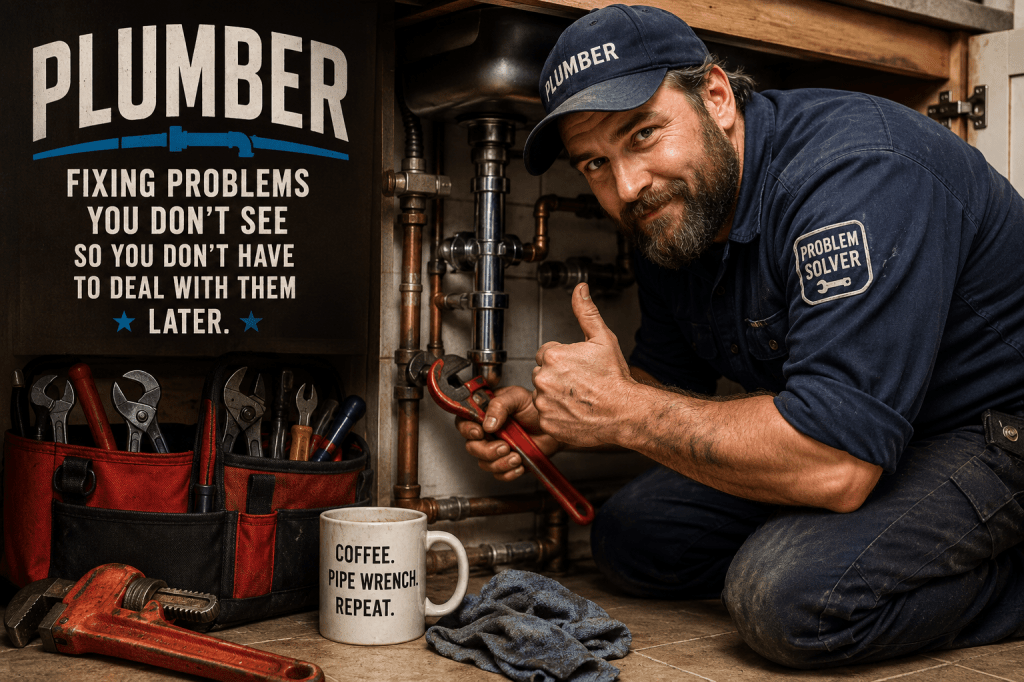
Some days don’t ask for permission. They just show up with a wrench.
The morning started with the plumbing company arriving to replace a broken water shutoff valve. It looked like a straightforward repair… until it wasn’t.
As the work progressed, the real problem revealed itself. The valve wasn’t the only issue. About a foot below the valve assembly, a soldered connection also needed repair. That’s the kind of surprise no homeowner enjoys, but I’d rather have it discovered now than after the washer is hooked up and water is flowing.
With the plumbing repaired properly, I contacted Home Depot and rescheduled the washer installation for July 6. It’s not the finish line I expected today, but at least the project is moving forward instead of standing still.
Owning a home has a way of reminding you that every “quick fix” has the potential to become an adventure. Today’s lesson? Sometimes you have to repair the foundation before you can enjoy the upgrade.
Progress isn’t always measured by what gets installed. Sometimes it’s measured by what gets fixed first.
Today’s Scorecard
✅ Broken valve replaced
✅ Hidden solder connection identified and repaired
✅ Washer installation rescheduled for July 6
✅ Another chapter in the never-ending Homeowner Chronicles
Gravity still sucks… but at least the plumbing doesn’t leak anymore.
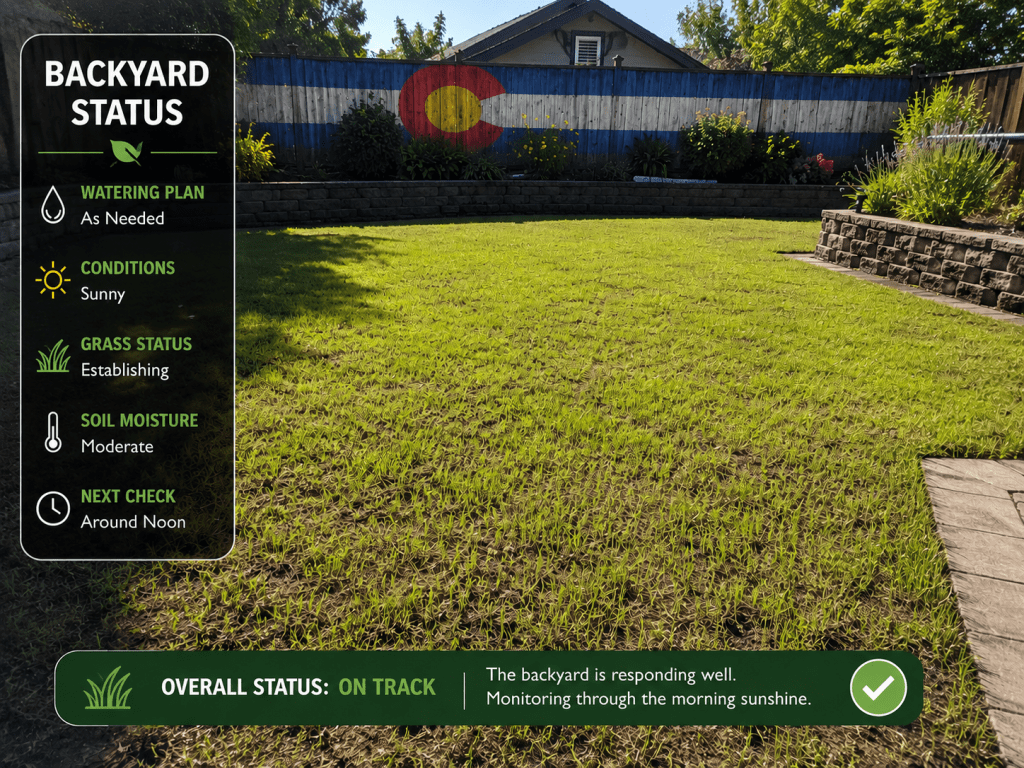
The backyard remains on an as-needed watering schedule today.
Rather than watering first thing this morning, I’m going to let the yard ride through the morning sunshine and see how it responds. The soil still appears to be holding moisture, and with the grass beginning to establish itself, there is no sense in adding water just because the calendar says so.
The plan is simple: observe, evaluate, and react.
If the backyard makes it through the morning sun without showing signs of stress, I should be in good shape by around noon and may be able to skip watering altogether. If the grass starts looking thirsty, then I’ll give it what it needs.
After nearly three weeks of watering, waiting, and watching for sprouts, the project is entering a new phase. Less emergency irrigation, more careful stewardship. The goal is to encourage the roots to search deeper rather than keeping the surface constantly wet.
For now, the backyard gets a chance to speak for itself.
Backyard Status: Monitoring Watering Plan: As Needed Morning Outlook: Sunshine Test in Progress Estimated Checkpoint: Around Noon
The grass has graduated from the intensive care unit and is now in physical therapy. 🌱😄
The day started with a change of plans for Missy. Claire is getting her another grooming appointment at Wag N’ Wash after her previous spa adventure at Petco ended early. Missy made her opinion known, and I had to go pick her up. Whether it was the unfamiliar groomer, the environment, or a combination of factors, she clearly wasn’t having it. For now, she has a new appointment on the calendar and a chance for a fresh start.
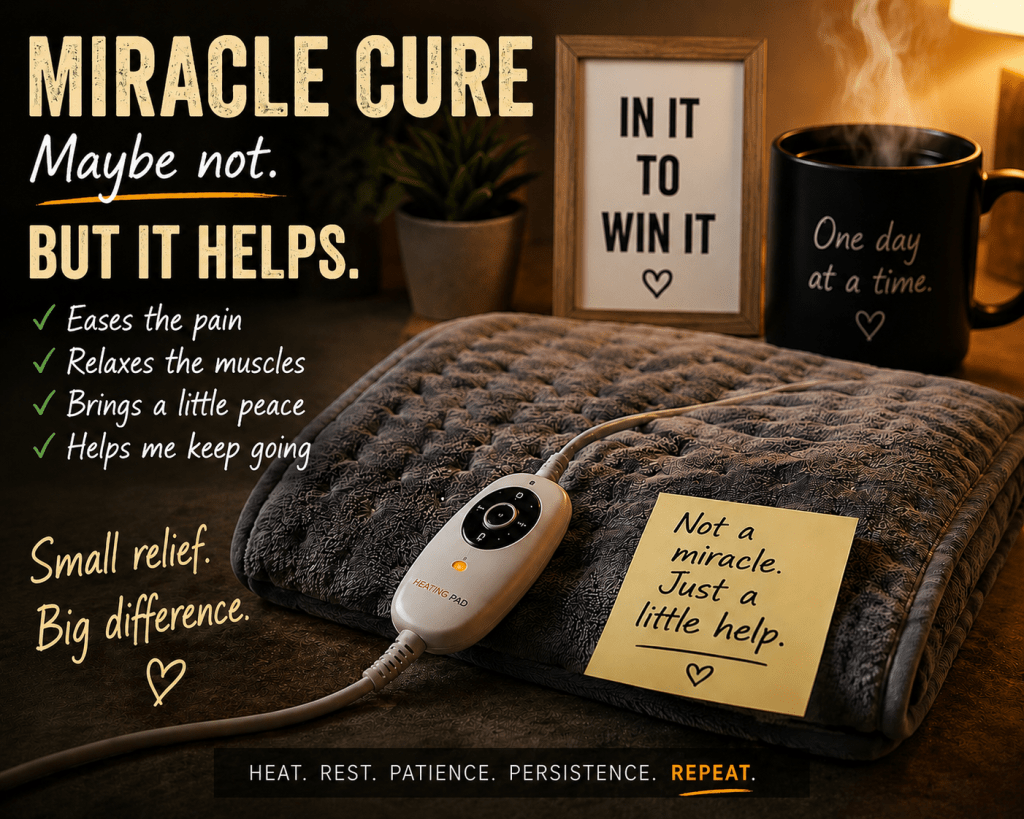
As for me, my left hamstring woke up determined to be noticed. It has been making itself well known all morning, so I fired up the heating pad on the warm setting. That simple bit of heat felt pretty awesome and reminded me that sometimes recovery means listening instead of pushing.
I had thoughts of taking a nap. The last two days didn’t go well in that department. The sativa had me in project mode instead of rest mode, so this morning I left it alone and visited my Roxanne bud cone joint from yesterday. There are still a session or two left in it.
Then the weeds happened.
One minute I was considering a nap. The next minute I was outside spraying both the front and backyard with Weed B Gon Max. So much for sleeping. The Reclamation Department was called into action.
That led, of course, to a full lawn inspection. There are two kinds of walks through a yard: walking through the yard and inspecting the yard. I was definitely inspecting. Every patch of grass, every weed, every bare spot got a second look. Two weeks after the initial seed and fertilizer application, the backyard is beginning to look solid. Progress is slow, but it is there.
That got me thinking about reclamation again.
The backyard project is reclamation. The Tire ReclamationProjects is reclamation. Recovery after a brain injury and stroke is reclamation. Even using a heating pad to settle down a complaining hamstring feels like a small act of reclamation.
Is it a bad thing to have a sense of reclamation?
I don’t think so.
A sense of reclamation is simply the belief that something worn down, damaged, neglected, or interrupted can still become something useful, meaningful, or beautiful. It isn’t about pretending damage never happened. It’s about refusing to let damage have the final word.
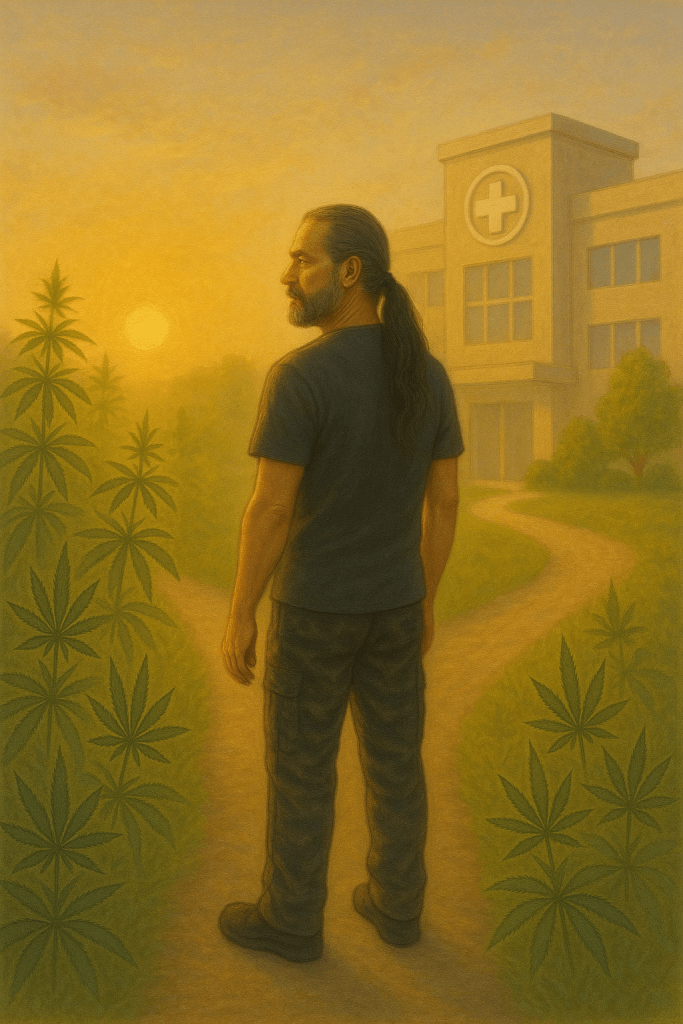
Looking back, I also reflected on my return to cannabis after the stroke. There were sixty days under intensive medical supervision where cannabis wasn’t part of my life. When I
, I already had my return planned out. I had been honest with the medical staff the entire way, and no one seemed particularly concerned. Recovery came first. Cannabis came later.
I’m old school when it comes to cannabis. I still look at the plant itself. Leaf structure, growth patterns, and the physical characteristics tell a story. Long before labels, THC percentages, and marketing names, growers learned to read the plant.
Now here I am at 10:11 in the morning and sitting pretty on my schedule.
The hamstring has been heated. The weeds have been sprayed. The lawn has been inspected. Missy’s next spa appointment is booked.
As for the nap?
We’ll see.
No pressure.
If it happens, great. If not, it’s already been a productive morning in the ongoing reclamation project known as life.
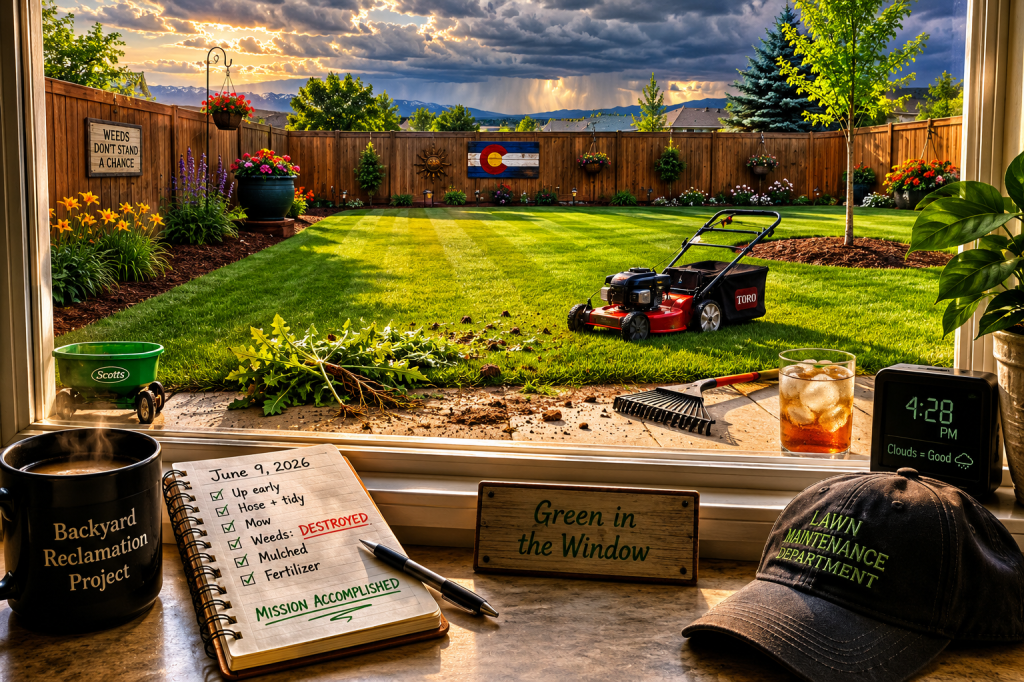
The day started early. I was up by 6:00 AM, getting moving before the Colorado heat settled in. One of the first tasks was picking up the hose in the backyard and tidying things up while waiting for 10:00 AM to arrive.
It’s funny. It feels like I’ve accomplished more this morning than I actually have. Maybe it’s because I’ve been awake so long. The coffee is gone, the vitamins are down, and the forecast is calling for temperatures in the upper 80s this afternoon.
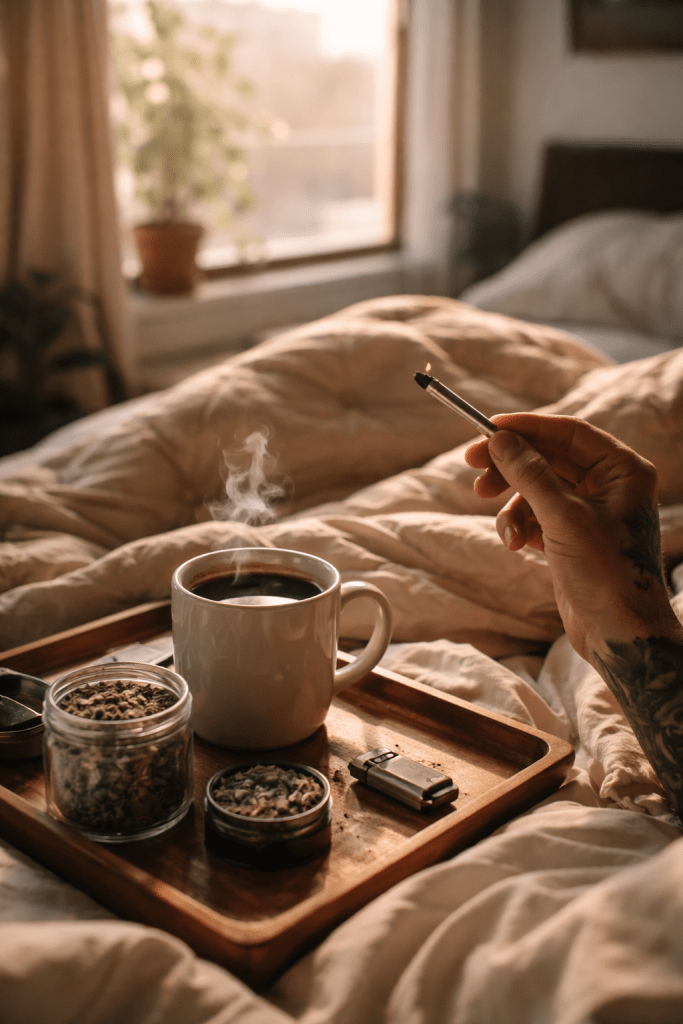
I’ve had four pulls from a sativa blend this morning and feel pretty dialed in. Not racing, not dragging—just comfortably in that zone where the day feels manageable and my mind stays engaged.
The plan for later is simple: get the mowing done and, if all goes according to schedule, celebrate with a half-gram joint afterward. A little reward system never hurt anybody.
The morning seems to be moving in slow motion. Every glance at the clock feels like only a few minutes have passed. Then again, maybe that’s not such a bad thing. After everything life can throw at a person, a slow, quiet morning isn’t a problem to solve. Sometimes it’s a gift.
For now, the backyard and mower both wait, and the day is still young. The coffee has done its job, the cannabis has settled in nicely, and the only real mission is to keep moving forward one task at a time.
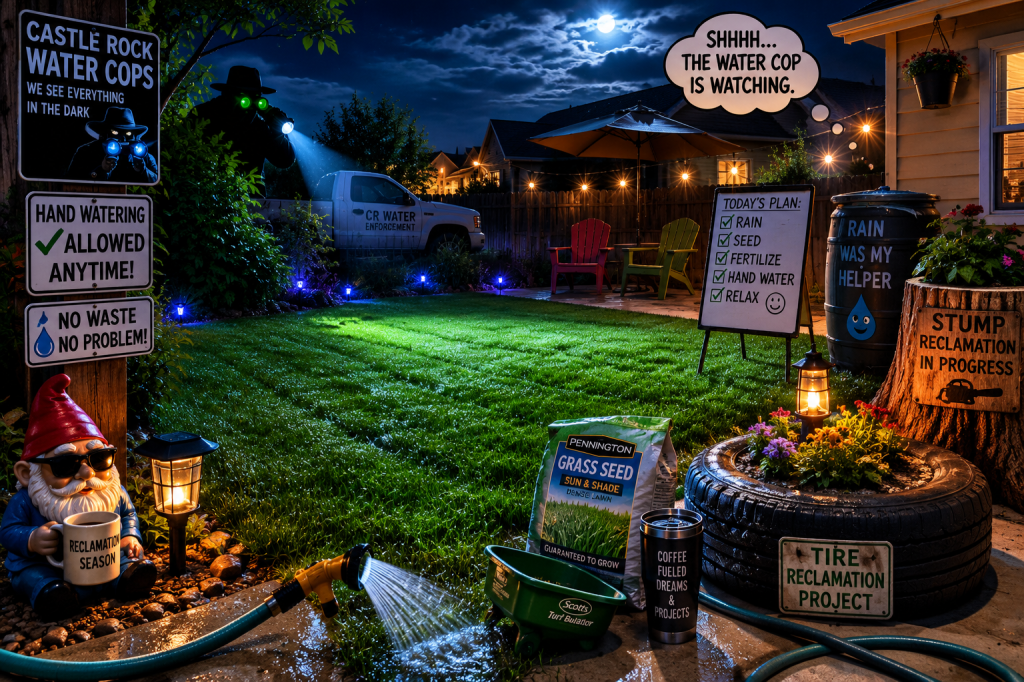
😄 Castle Rock’s water enforcement folks have earned a bit of a reputation in local lore, haven’t they?
I can picture the legend now: a silent pickup truck parked three blocks away, a clipboard glowing faintly in the moonlight, waiting for someone to water a petunia at 7:59 p.m.t
In reality, enforcement is usually a lot less dramatic. Water districts tend to focus on obvious violations and water waste—sprinklers running into the street, irrigation during restricted hours, broken systems spraying everywhere, or repeated complaints. They’re generally not conducting covert stakeouts of someone hand-watering a reseeded patch in the backyard.
That said, I understand why you’re cautious. Water is a big deal in Colorado, and Castle Rock takes conservation seriously. The fact that you know the rules about hand watering and are paying attention to them already puts you ahead of many people.
Besides, after today’s rain, if anyone was hiding in the shadows, they were probably getting soaked right along with the grass seed. 🌧️
My guess is that tonight the only thing lurking in your backyard is a bunch of grass seed quietly plotting its grand entrance. Give it a week or two, and you’ll start seeing whether the sod rebuild is paying off. That’s a much more interesting report than anything the mythical Water Cops could write. 🌱👀
Started the day riding the sativa wave. My brother’s grow is coming in strong and is a proven producer—no messing around. I’m about six hits deep, easing into the morning like I’ve done this dance before (because I absolutely have).
There’s a rhythm to it now. Not chasing anything, just settling in. Letting the edges smooth out, letting the day come to me instead of the other way around.
And honestly? I made it. That’s the headline. Not flashy, not dramatic—just solid. Present. Accounted for.
We’ll see where the rest of the day wants to go.
Friday, April 3, 2026
Started the day riding a clean sativa wave. The kind that doesn’t hit all at once—it builds, rolls in slow, then suddenly you’re in it. Brad’s grow is coming in strong this morning. No half-measures there. About six hits deep and officially underway.
There’s something about that early lift—it’s not chaos, it’s calibration. Like tuning an old radio just right until the static drops out and the signal comes through clear. I’m not chasing anything today. Not energy, not motivation, not even peace. Just letting it show up how it wants.
In my head, it looks like a wave—green, glassy, almost glowing. Not crashing, not violent. Just carrying. You don’t fight it, you don’t steer it. You ride it. Let it take you where it’s going without overthinking the whole damn thing.
That’s the rhythm this morning. No rush, no pressure. Just present.
And yeah—simple win—I made it.
We’ll see what the rest of the day decides to do with me.
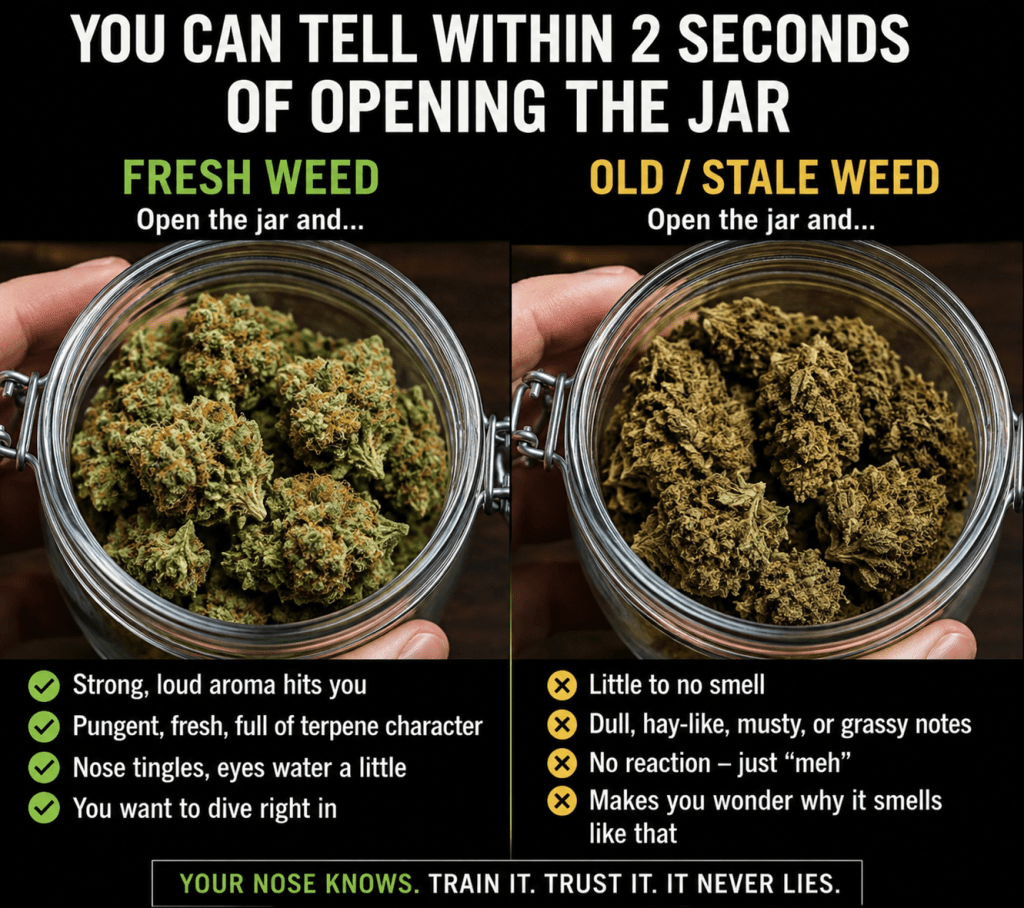
There’s a certain kind of confidence in cannabis culture that arrives with no hesitation, no receipts, and no lab results.
Just one look at a bud and:
“Yeah… that one’s the strongest.”
This whole thread started there—and turned into a full MythBusters-style breakdown of whether people can actually judge cannabis potency by sight and smell alone.
Spoiler: things got humbling fast.
⸻
The Myth
Experienced cannabis users can accurately identify THC potency by appearance and aroma alone.
It sounds believable. People swear by:
• crystals (“more frost = stronger”) • smell (“louder = more potent”) • density (“tight buds hit harder”) • color (“purple means stronger… right?”)
The confidence is always high.
The accuracy? That’s what we tested.
⸻
The Setup
Three unknown flower samples.
No labels. No THC percentages. No branding. No hints.
The “V8 engine into a cowboy boot and pointed it toward sunset” line is the kind of sentence people remember because it sounds exactly like the music feels.
I’d only tighten a few things for rhythm and flow:
change “You screw me on the Marshall Tucker band right Home” since it reads like voice-to-text turbulence hit black ice
remove the duplicated section
“Take the Highway” by The Marshall Tucker Band absolutely moves. The second that opening rolls in, it feels like somebody dropped a V8 engine into a cowboy boot and pointed it toward sunset.
And that flute from Jerry Eubanks? Totally unfair advantage. Southern rock bands were out there fighting with twin guitars, and Marshall Tucker showed up like: “Cool… but what if the outlaw had a flute solo?” 😂
The thing that makes it hit so hard is the combination:
driving rhythm
clean guitar tone
highway momentum
zero wasted space
that laid-back confidence instead of trying too hard
It sounds like:
windows down
mountain air
1970s interstate asphalt heat shimmer
“we’ll get there when we get there”
And unlike some classic rock tracks that drag on while everybody auditions for the same solo, “Take the Highway” keeps pulling forward the whole time.
If you like that lane of music, you’d probably also crank:
Green Grass and High Tides
Jessica
Highway Song
Train, Train
Can’t You See
That whole era understood one important engineering principle: A song should feel at least 12% better if played while crossing Colorado at golden hour.
The oldest thing is almost certainly the gray Polo T-shirt.
That’s the of the outfit. The Carhartt scrub pants are the new hire with fresh badges and optimism. The Polo tee is sitting in the corner like: “I remember appliances from Sears.”
Exterior painting is one of those adult responsibilities that somehow costs a pile of money, disrupts your week, creates stress, and still leaves you standing there afterward going:
“Cool… it’s still a house.” 😆
You don’t really enjoy the process. You survive it. Then one day months later you pull into the driveway and subconsciously think, “Alright… looks pretty sharp,” while hauling groceries.
The real experience is:
scheduling chaos
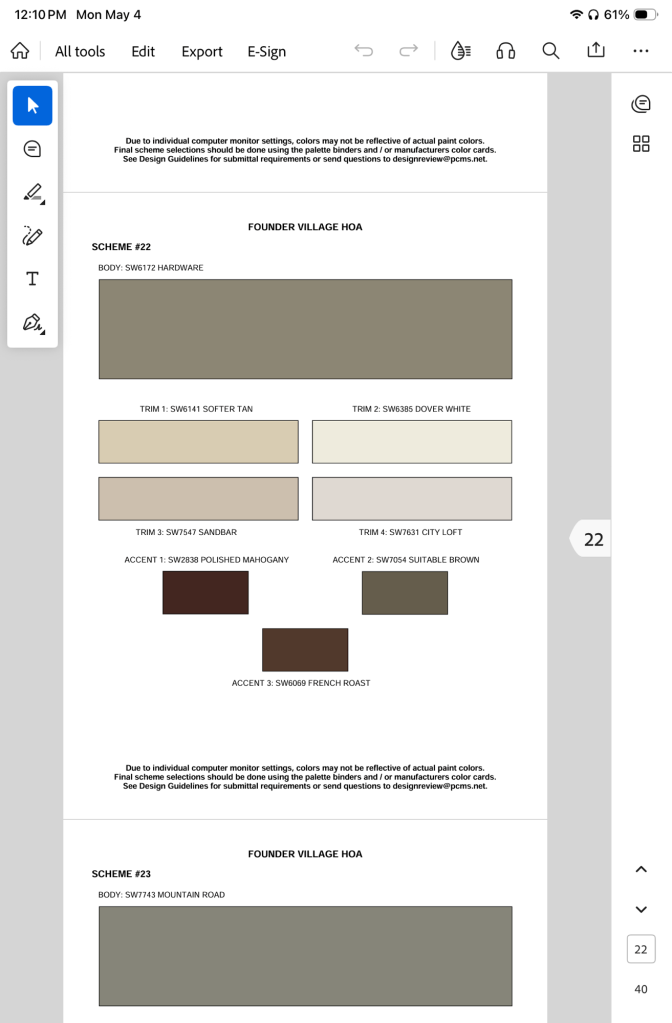
HOA paperwork theater
weather roulette
strangers orbiting your house with ladders
wondering why paint names sound like craft beer flavors
But getting it done does buy you peace for years. No staring at fading trim thinking “I should deal with that.” No HOA letters materializing like enchanted scrolls in a fantasy RPG.
This is basically homeowner dentistry: nobody wakes up excited for it, but future-you appreciates not having structural cavities.
And looking at the forecast, my instinct may actually be dead-on. Monday starts getting colder and wetter, then the week slides into classic Front Range chaos mode with rain and thunderstorms floating around.
That explains why the painters bumped the schedule instead of charging ahead on Friday. Exterior painting crews around Castle Rock basically operate inside a weather pinball machine:
sunny
hail
wind
random moisture
existential cloud formation over Palmer Divide
Colorado weather has the emotional stability of a Labrador chasing a tennis ball.
Still, if they can get the prep and body coats done Monday before the wetter stretch settles in, you may end up threading the needle just fine. And if it rains? Then at least you’ll know the universe remains committed to continuity.
What’s one small improvement you can make in your life?
Better listening changes the temperature of almost every room you walk into. People feel less like they’re throwing words into a canyon and more like they’re being received by an actual human being instead of a flickering airport departures board.
And the sneaky part? Listening better is not usually about hearing more words. It’s often about:
not loading the rebuttal cannon while someone’s still talking
letting silence breathe for two extra seconds
asking one more question before telling your own story
noticing tone, not just content
resisting the urge to “fix” everything immediately
A tiny practical version: Tomorrow, pick one conversation and make your goal:
“Understand first. Respond second.”
That’s it. No self-reinvention montage. No mountaintop monk robes. Just one conversation
Quick drive down to Pueblo West today turned into one of those stops you don’t forget.
Ended up at Rocky Mountain Blaze. Walked in expecting a normal dispensary visit… walked out with $5 grams after handing over a $20 bill. Got $15 back in clean bills—no coins, no singles, just straight cash like that’s how it’s supposed to go.
Dirt roads, no sidewalks, dispensaries stacked close together—you can feel the competition shaping everything out there.
And the best part? My wife actually came in with me and thought the whole experience was awesome. That made the whole trip worth it right there.
Not fancy. Not polished. Just a real Colorado cannabis moment in Pueblo West.
I nailed it.
That’s the only honest way to start this.
Yesterday I ran into a strain called OG Roots—and it wasn’t trying to win any beauty contests. No flashy bag appeal. No perfectly manicured, Instagram-ready buds. Just a straightforward, slightly rough-looking indica 1980s weed that didn’t care how it looked because it already knew what it could do.
And what it did… was hit home.
This wasn’t a “creep up on you” kind of high. This was immediate. Heavy. Grounding. The kind of pure indica effect that tells your nervous system to power down and stop negotiating. Earthy, deep, and unapologetically physical. Exactly what you want when a strain is leaning into its OG lineage.
The irony? I almost underbought it.
Classic mistake. Cash in hand, price was right, quality already proven—and I still walked out with less than I should’ve. Because visually, it didn’t scream “premium.” It whispered it… and I hesitated.
That hesitation doesn’t happen again.
Here’s what I learned from it: the best weed isn’t always the prettiest weed. Sometimes it’s the stuff sitting quietly in the jar while everyone else chases sparkle and structure. OG Roots falls squarely into that category—function over flash.
And the context matters just as much as the strain.
The budtender wasn’t just a budtender. He was the owner. That changes everything. No upsell script, no corporate filter—just direct knowledge of what’s actually worth putting in someone’s hands. When he handed over that “fat gram with ugly baggage,” it wasn’t random. It was intentional. A quiet signal that said: this one smokes better than it looks.
He was right.
That’s the kind of transaction you don’t forget. Not because of branding or hype, but because it cuts through all of that and leaves you with something simple: effect that matches intent.
OG-heavy flower like this tends to carry a certain signature:
heavy body relaxation
earthy, fuel-forward terpene profile
fast onset with minimal ramp-up
and a strong “sit down and stay there” finish
It doesn’t try to impress you. It just takes over and does its job.
And that’s the real lesson here.
In a market full of overproduced, over-polished flower designed to look perfect in a jar, something like OG Roots reminds you what the point actually is.
Not to admire it.
To feel it.
So yeah—I nailed it.
Next time, though? I’m not walking out with hesitation. If it hits like that again, it’s not a gram decision. It’s an inventory decision.
In Colorado, morning cannabis use isn’t one-size-fits-all anymore. What used to be lumped into a single stereotype—wake and bake—has quietly evolved into something more nuanced.
Let’s break it down.
☀️ Wake & Bake (The Classic)
This is the version everyone recognizes.
Roll out of bed. Light up. Start the day elevated.
It’s ritual. It’s habit. Sometimes it’s just how the day begins without much thought beyond “let’s go.”
The vibe here leans recreational:
Immediate lift
Loose structure
See-where-the-day-goes energy
There’s nothing mysterious about it—it’s been around forever, and it still has its place.
☕ Functional Morning Use (The Colorado Shift)
Now here’s where things get interesting.
A lot of seasoned users aren’t diving straight into the deep end anymore. Instead, it looks more like:
Coffee first
A couple controlled hits
Then ease into the day
This isn’t about getting blasted. It’s about dialing things in.
The goal:
Smooth out the edges
Lift mood
Manage pain
Stay clear enough to actually do life
It’s intentional. Measured. Almost like adjusting a thermostat instead of flipping a switch.
🧠 It Comes Down to Intent
Same plant. Same time of day. Completely different outcomes.
Wake & Bake: “Let’s get high.”
Functional Use: “Let’s get right.”
That shift—from chasing the high to shaping the day—is where a lot of Colorado users land over time.
🔄 The Evolution
Experience changes the relationship.
What starts as wake-and-bake energy often turns into something more refined:
Less about escape
More about balance
Less autopilot, more awareness
And yeah, sometimes that just means one extra pull with your morning coffee—not because you need it, but because you know exactly what it does.
There are days when life in Castle Rock feels simple. Big sky. Dry air. A steady Colorado rhythm if you’re paying attention.
And then there are gas pumps.
Two years after a stroke, I’ve learned something I didn’t expect: it’s rarely the big challenges that trip you up—it’s the small, everyday sequences hiding inside normal life.
Give me conversation, memory, reflection, meaning—I’m solid.
Put me in front of a modern gas pump?
Now I’m in a four-step escape room designed by chaos.
Card in.
Card out.
Zip code.
Select grade.
Wait—no—don’t touch that yet.
The machine changes its mind more than I do.
The real issue isn’t the task. It’s the order. That invisible “what comes next” thread that used to run automatically… now sometimes tangles.
So I do what works: I slow it down and run a script.
Card.
Zip.
Grade.
Nozzle.
Simple. Repeatable. Grounded.
And honestly, that’s been the theme lately—breaking life into steps small enough that they stop arguing back.
Castle Rock has its own rules
If you’re going to call yourself local, you’d better get the spelling right.
It’s Castle Rock. Two words. Always.
Not “Castlerock.” Not “Castle rock.”
That’s the kind of mistake that quietly tells on you. Like showing up to a job site with spotless boots and no dust on them. Technically fine… socially suspicious.
This place has a mix of long-time Colorado rhythm and newer arrivals still figuring out the cadence. You learn to read the difference.
The outlet mall economy of real life gear
Then there’s the other institution: the outlet stores.
Out here, it’s less “shopping” and more “re-equipping for reality.”
And one store always stands out—the Columbia outlet.
That place isn’t about fashion. It’s about function.
Jackets built for wind that feels like it has opinions. Layers for weather that can’t decide what season it is. Gear that doesn’t try to impress anyone—it just refuses to quit.
That mindset fits here: buy it once, use it hard, keep it alive as long as physics allows.
There’s a quiet pride in that kind of durability. The kind you don’t talk about much—you just wear it.
Even when it starts to look like it’s been through a few negotiations with nature and lost a couple.
Everything becomes a system eventually
The gas pump. The town spelling. The gear you trust. Even errands.
It all becomes sequencing.
Step one. Step two. Step three.
And when your brain doesn’t always trust the order anymore, you adapt the system instead of fighting it.
Slower. Clearer. More intentional.
Not broken—just recalibrated.
Small wins still count
Some days the win is obvious.
Other days, it’s simple:
No mistakes at the gas pump.
No frustration spike.
No reset needed.
Just clean execution of something ordinary that used to feel unpredictable.
And that’s enough.
Actually—it’s more than enough. That’s how stability gets rebuilt.
There are days when life in Castle Rock feels simple. Big sky. Dry air. A quiet rhythm to everything if you know where to look.
And then there are gas pumps.
If you know, you know.
Two years after a stroke, I’ve learned something kind of unexpected: it’s not the big stuff that trips you up—it’s the tiny, invisible sequencing problems hiding inside everyday life. Give me a conversation, give me a long thought, give me meaning and memory and reflection—I’m good.
But put me in front of a modern gas pump?
Suddenly I’m in a four-step escape room designed by someone who hates me personally.
Card in.
Card out.
Zip code.
Select grade.
Wait—no—don’t touch that yet.
The machine changes its mind more than I do.
The real issue isn’t the task. It’s the order. That invisible “what comes next” thread that used to run quietly in the background of everything… now occasionally tangles.
So I do what works: I slow it down. I run a script.
Card.
Zip.
Grade.
Nozzle.
Simple. Repeatable. Human-scale.
And weirdly enough, that’s been the theme of a lot of life lately—breaking things down until they stop arguing back.
Castle Rock is full of small tests like that
Even the culture here has its own sequencing rules. First rule: if you’re going to call yourself local, you’d better know how to spell it.
It’s Castle Rock. Two words. Always.
Not “Castlerock.” Not “Castle rock.” Those are immediate tells. Like showing up to a job site with brand-new boots and no dirt on them. Technically fine… socially suspicious.
And honestly, it’s funny how those little details matter here. Because this place is a mix of old Colorado rhythm and newer “did I move here last summer?” energy. You learn to spot the difference pretty quickly.
The factory store economy of survival gear
Then there’s the other Castle Rock institution: the outlet mall.
It’s not really shopping here—it’s logistics.
You don’t “browse” so much as you re-equip for reality.
And one store in particular has earned its reputation: Columbia.
That place isn’t about fashion. It’s about endurance.
Jackets for wind that feels like it has a personal agenda. Layers for days when Colorado forgets what season it’s pretending to be. Gear that isn’t trying to impress anyone—it’s just trying to survive.
It fits a certain mindset perfectly: buy it once, use it hard, keep it alive as long as physics allows.
There’s a quiet pride in that. The kind of pride that shows up in a jacket that looks like it’s seen things… and is still refusing to retire.
Everything becomes a system eventually
The gas pump. The town spelling. The gear you wear. Even the errands you run.
It all becomes sequencing.
Step one. Step two. Step three.
And when your brain doesn’t always trust the order anymore, you build your own version of the system. Slower. Clearer. Less automatic, more intentional.
It’s not about fixing yourself. It’s about adapting the flow so life stops tripping over itself.
Small wins still count
Some days the win is big and obvious.
Other days, it’s just:
No mistakes at the gas pump.
No frustration spike.
No reset needed.
Just clean execution of a tiny, ordinary task that used to feel like a moving target.
And that’s enough.
Actually—it’s more than enough. It’s how you stack stability back into place.
It’s funny how some 4/20 memories aren’t about massive crowds, smoke clouds over a park, or music blasting through the city. Sometimes, it’s just about where you land after work is done for fthe day.
I’ve only really done one proper 4/20 outing, and it still sticks with me. My old ski partner and I ended up at Denver Diner—that perfect late lunch, early dinner window where you’re not rushed even though the Denver Diner was packed, everything slows down just enough to feel it.
But the real story started long before we sat down.
That day was all cutting and trimming weed. Hours of it. Hands sticky, senses overloaded, and that smell—fully locked in and happy. Not the casual “yeah, I smoke weed” kind of scent. No sir. This was the industrial-strength, been breathing weed all-day, loud-without-speaking kind of smell.
There are levels to this game.
Some people try to smell like weed.
Some people are weed.
I was firmly in the second category.
By the time we walked into the diner, I was half-aware of it and half not caring at all because it’s 420. That strange mix of exhaustion and satisfaction had kicked in—the kind where you know you earned whatever’s coming next. Food hits different after a day like that. Not just better—earned.
Now here’s the kicker: Civic Center Park—ground zero for Denver’s 4/20 scene—isn’t that far away from the old Denver Diner. We could’ve wandered over, jumped into the crowd, made a whole thing out of it.
But honestly?
We didn’t need to.
It was already 4/20 on the calendar—and I smelled like weed… go figure.
No big crowd. No spectacle. Just two guys, a long day behind them, and a meal that felt like a reward.
And looking back? That might’ve been the best way to do it.
It’s Mr. George from WP. That alone kind of freaked me out—nobody calls that early unless something’s wrong, especially from Mr. George. But I answered anyway. Turns out he was “just” already bored at 8 AM on his first day off of the week.
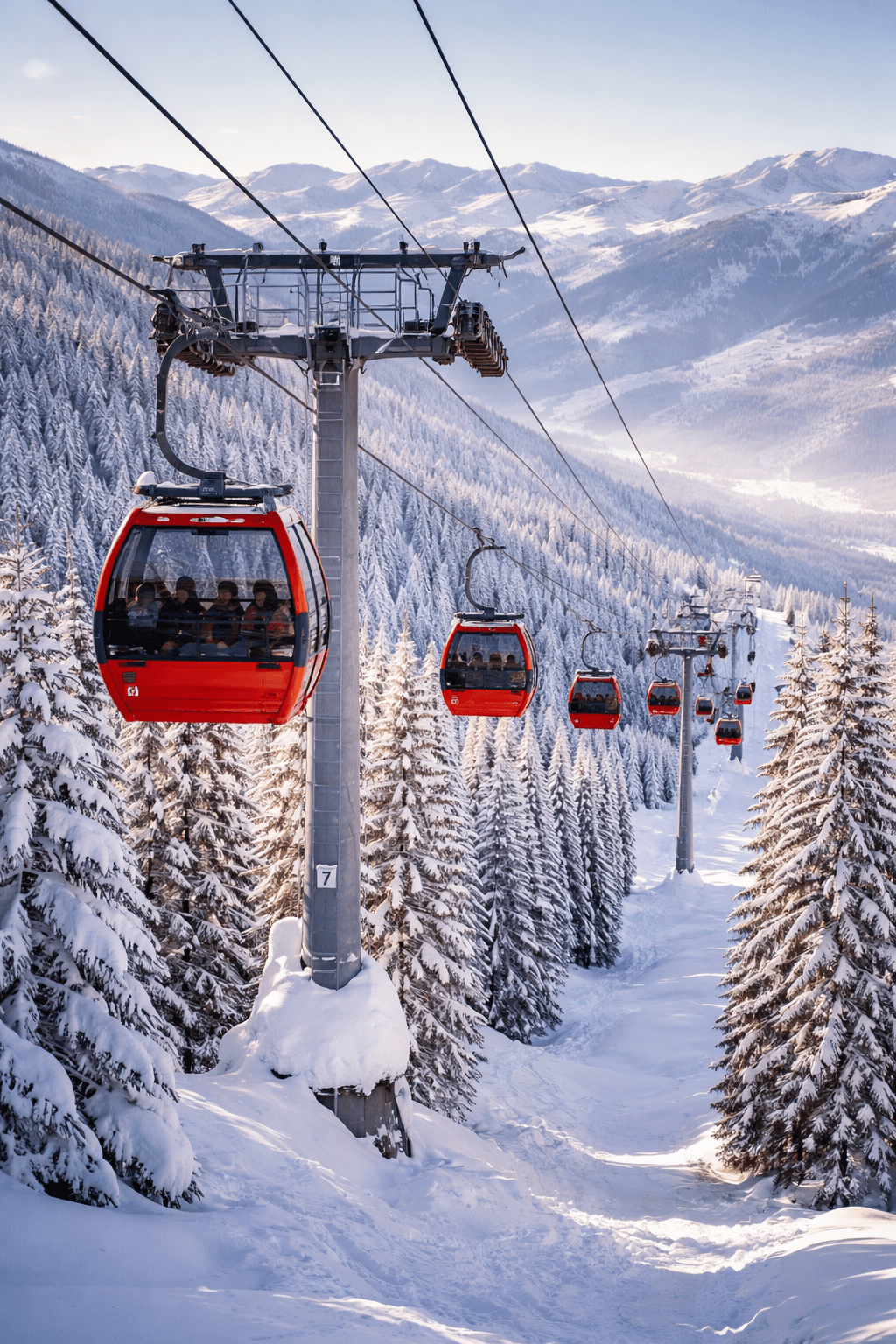
The last time the G-man called me was about a while ago when they had a mechanical issue on the gondola and had to break the ropes out. He gave me a full play-by-play of what was happening up there. Later that night I saw the same story on 9News.
Today’s report from GMan: a couple of his lift maintenance snowmobiles were tied up dealing with kids and moms who were wandering into the closed lift area down by the snowmaking pond. Apparently that’s the first morning adventure of the day.
I apologized for not calling him lately. Truth is, we just haven’t been heading up there much. The snow kind of sucks right now, and when the snow sucks, the motivation to make the trip in traffic disappears pretty fast.
Still, it was good hearing from him. Funny how a random 8 AM phone call can suddenly drop a little WP into a quiet morning down here.
First and foremost, it gives me something solid to show for my day.
Not every day comes with visible progress. Recovery is slow. Thoughts are messy. Time can slip by without anything concrete to point to. But when I write, there it is — a page, a post, a record. Proof that I showed up.
Writing turns an invisible day into something tangible.
There is only one boss: my spell check.
No committee. No performance review. No applause meter. Just me, the keyboard, and the quiet discipline of putting words together in a way that makes sense. Spell check might argue with me, but it’s a fair boss. It doesn’t care about status. It doesn’t care about noise. It just wants clarity.
I like that.
Writing slows my thinking down enough for me to see it. It forces honesty. If a sentence doesn’t work, I fix it. If a thought doesn’t hold up, I reshape it. That process feels constructive. It feels like progress.
On days when everything feels scattered, writing gathers things up.
On days when the world is loud, writing gives me control over the volume.
And at the end of it, I have something real — something I made.
That’s why I like to write.
Version two
Day One Journal Entry
One Journaling App
I need to convince myself to stick with just one journaling app, and I’m leaning toward Day One.
There’s something about having everything in one place that feels calmer — less scattered, less searching. One timeline. One archive. One habit.
When I bounce between apps, it works, but it also feels unfinished. Like I’m halfway committed in two directions. Choosing one feels intentional.
Day One is built for journaling. It feels like a home for thoughts, not just a storage bin. That matters.
Recovery after my stroke isn’t dramatic or linear. It’s slow, repetitive, and easy to lose track of. Writing gives that process structure. It helps me notice patterns, track progress, and make sense of days when my thinking feels foggy or uneven. When my brain gets overwhelmed, the page doesn’t. It waits.
Writing things down is part of how I rebuild clarity — one entry at a time.
In other news, I still have some sativa left over from a half‑gram joint from my stepbrother John. It’s early. I could change my mind. But honestly, I think I’m good for the day.
Living with a traumatic brain injury has made clarity not just helpful, but essential.









 It’s My Life