Meanwhile, elsewhere in Colorado…
A Colorado Springs dispensary recently advertised:
• $25 ounces
• $35 ounces
• $45 ounces
• $99 top shelf ounces
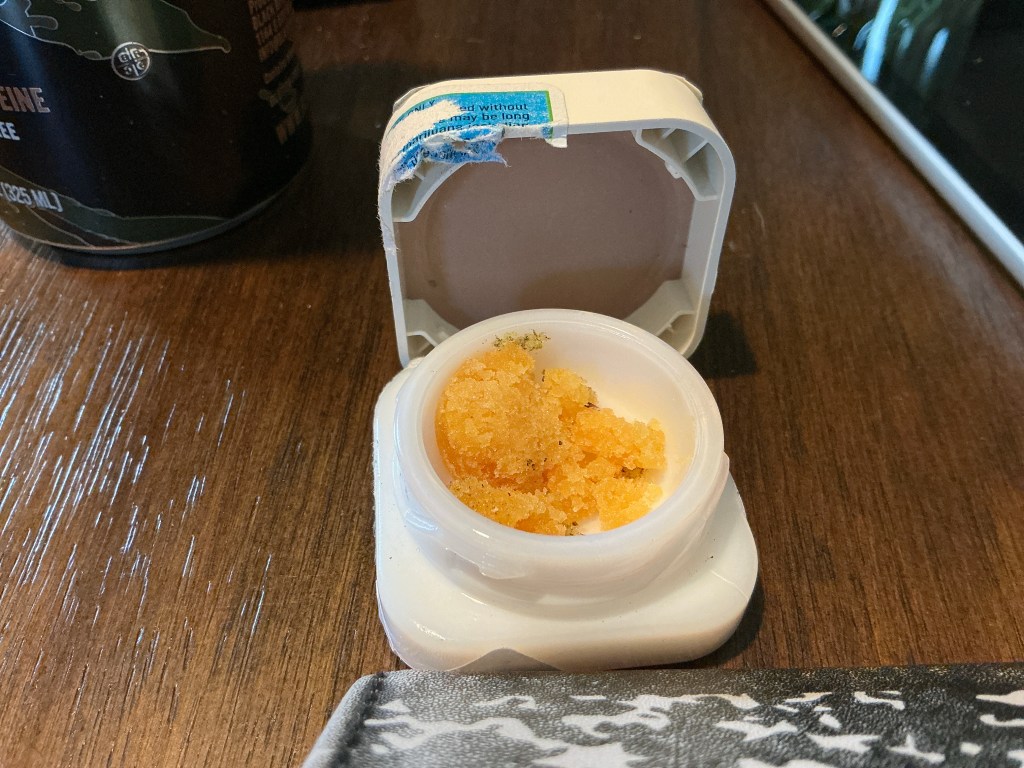
• 4 grams of rosin for $40
• 4 vape carts for $45
At the same time, in many recreational markets north of the Springs, consumers routinely see:
• $150–$220 ounces
• Heavily taxed mid-tier flower
• Premium-priced concentrates
Same state. Very different realities.
⸻
Medical vs. Recreational: Why the Gap Exists
Colorado Springs remains primarily a medical cannabis market, and that distinction matters.
Medical markets typically:
• Operate under lower tax structures
• Compete aggressively on bulk pricing
• Move high volume
• Focus on consistent, returning patients
Recreational markets typically:
• Carry higher state and local taxes
• Price for convenience and tourism
• Emphasize branding and “premium” positioning
• Accept higher margins
The result? Dramatic price separation within the same state.
⸻
The Volume Model
What’s happening in Colorado Springs is a volume-driven strategy:
• Thin margins
• Heavy competition
• Rapid product turnover
• Loyalty through affordability
It isn’t flashy. It isn’t boutique. It’s functional.
Cannabis in this model is treated less like a lifestyle product and more like a staple.
⸻
Access vs. Experience
The price gap highlights a larger question:
Is cannabis a premium experience product?
Or is it a practical tool?
In one part of Colorado, it’s marketed like craft wine.
In another, it’s priced like a commodity.
Both models exist. Both are legal. But they serve very different consumer realities.
⸻
Final Thoughts
Colorado’s cannabis market is no longer a single story. It’s multiple economic ecosystems operating side by side.
The numbers don’t just reflect pricing — they reflect priorities, regulation, and access.
And depending on where you live, you’re paying for a completely different version of the same plant.
 It’s my life
Leave a comment